
When it comes to athlete performance and recovery, most sports academies focus on metrics like heart rate, velocity, perceived exertion, and training volume. But one critical factor often gets overlooked: temperature. Whether training indoors or outdoors, ambient temperature plays a significant role in how an athlete experiences and responds to physical load — and it should be factored into any comprehensive load monitoring strategy.
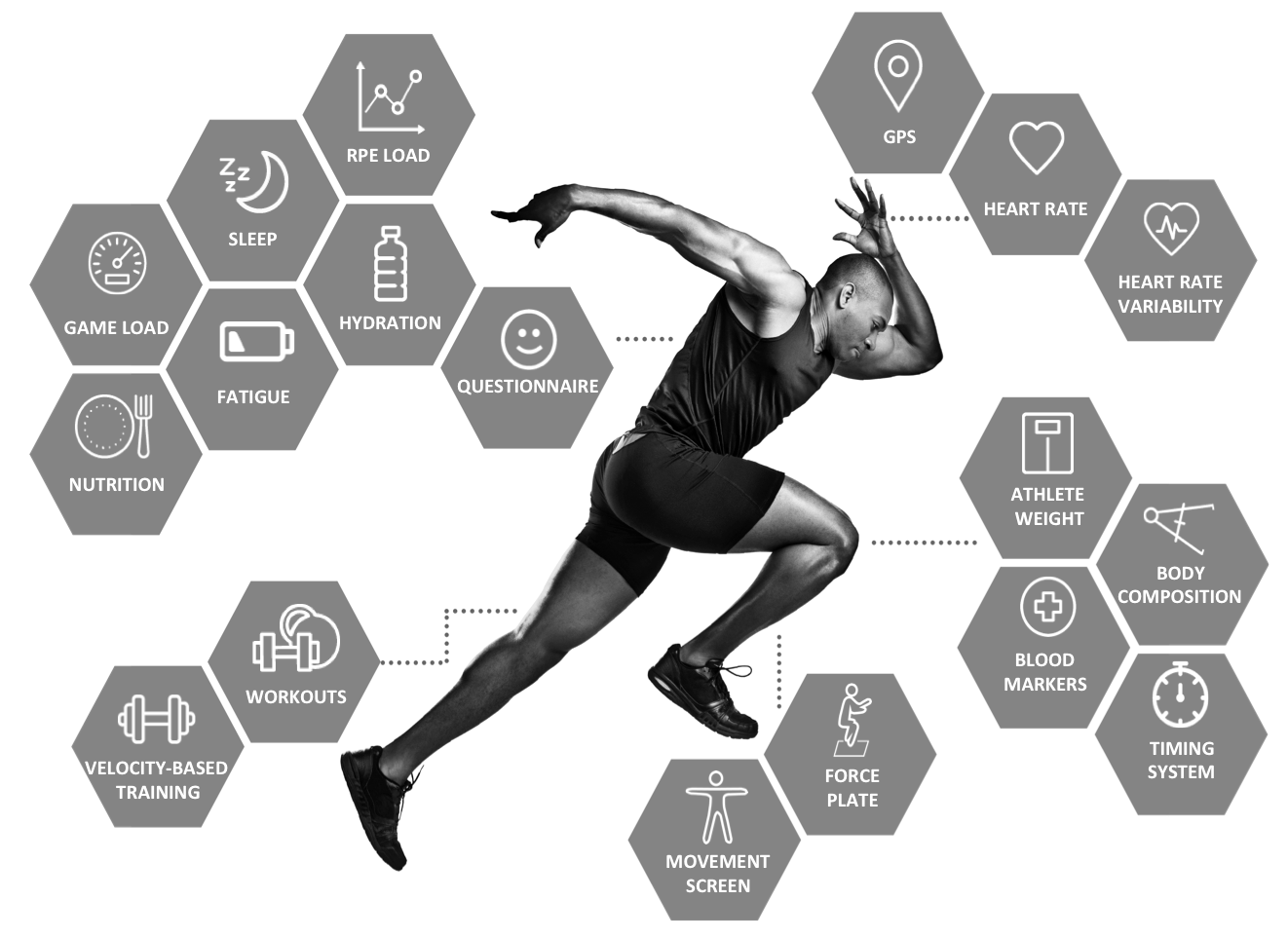
What Is Load Monitoring?
Load monitoring refers to tracking the physical demands placed on an athlete during training and competition. This includes both external load (e.g., distance covered, speed, reps) and internal load (e.g., heart rate, RPE, recovery markers).
Why Temperature Matters in Load Monitoring
Environmental temperature directly affects how the body regulates energy, hydration, and recovery. High or low temperatures change how hard a workout feels, even if the workload stays the same.
Here’s how temperature impacts load:
-
Heat Increases Perceived Effort: When athletes train in hot conditions, their bodies work harder to cool down, increasing heart rate and fatigue levels — even if external loads remain constant. This can distort internal load measurements if temperature isn’t factored in.
-
Cold Can Affect Muscle Output: Colder environments can stiffen muscles and joints, reduce flexibility, and lead to underperformance or higher injury risk. Athletes may not hit performance benchmarks in the cold, even with full effort.
-
Hydration and Recovery Shift: Hot temperatures speed up dehydration, which elevates heart rate and slows recovery. Cold temperatures can decrease perceived thirst, causing athletes to underhydrate unintentionally.

Integrating Temperature into Load Monitoring with CoachMePlus
With CoachMePlus, coaches and sports scientists can layer weather and training conditions into their athlete monitoring protocols. Here’s how:
1. Environmental Logging
Use the platform to log temperature, humidity, and other environmental factors for each training session. This data can be attached to workout reports and reviewed alongside internal and external load metrics.
2. Customizable Dashboards
CoachMePlus dashboards can be configured to highlight training sessions conducted in extreme heat or cold. These flags alert staff to the need for modified workloads, hydration plans, or extended recovery protocols.
3. Trend Tracking Over Time
By analyzing load patterns across varying temperatures, coaches can better prepare athletes for seasonal or climate-based transitions (e.g., summer tournaments, indoor-to-outdoor season shifts). This proactive planning reduces injury risk and supports consistent performance.
4. Heat Acclimation Protocols
If your academy is preparing for a hot-weather competition, CoachMePlus allows you to design and track progressive heat acclimation plans — gradually increasing heat exposure while monitoring fatigue, hydration, and adaptation responses.
Real-World Impact
Across the CoachMePlus community, sports academies and performance facilities are already seeing the benefits of environmental monitoring. One track and field program used temperature-based load analysis to reduce heat-related fatigue incidents by 40% during summer training. Another football academy adjusted its conditioning schedule based on humidity data, leading to improved hydration scores and reduced muscle strain metrics.
Load monitoring isn’t just about the reps or the GPS data — it’s about context. Environmental conditions like temperature can have a major impact on how training stress is experienced and how recovery needs to be managed. With CoachMePlus, sports academies can bring this level of precision to their load monitoring strategy.
The result? Safer sessions, smarter decisions, and stronger athletes — no matter the weather.

Recent Comments