
Weekly Newsletter
Curated articles every weekApplied Sports Science Weekly Digest #343

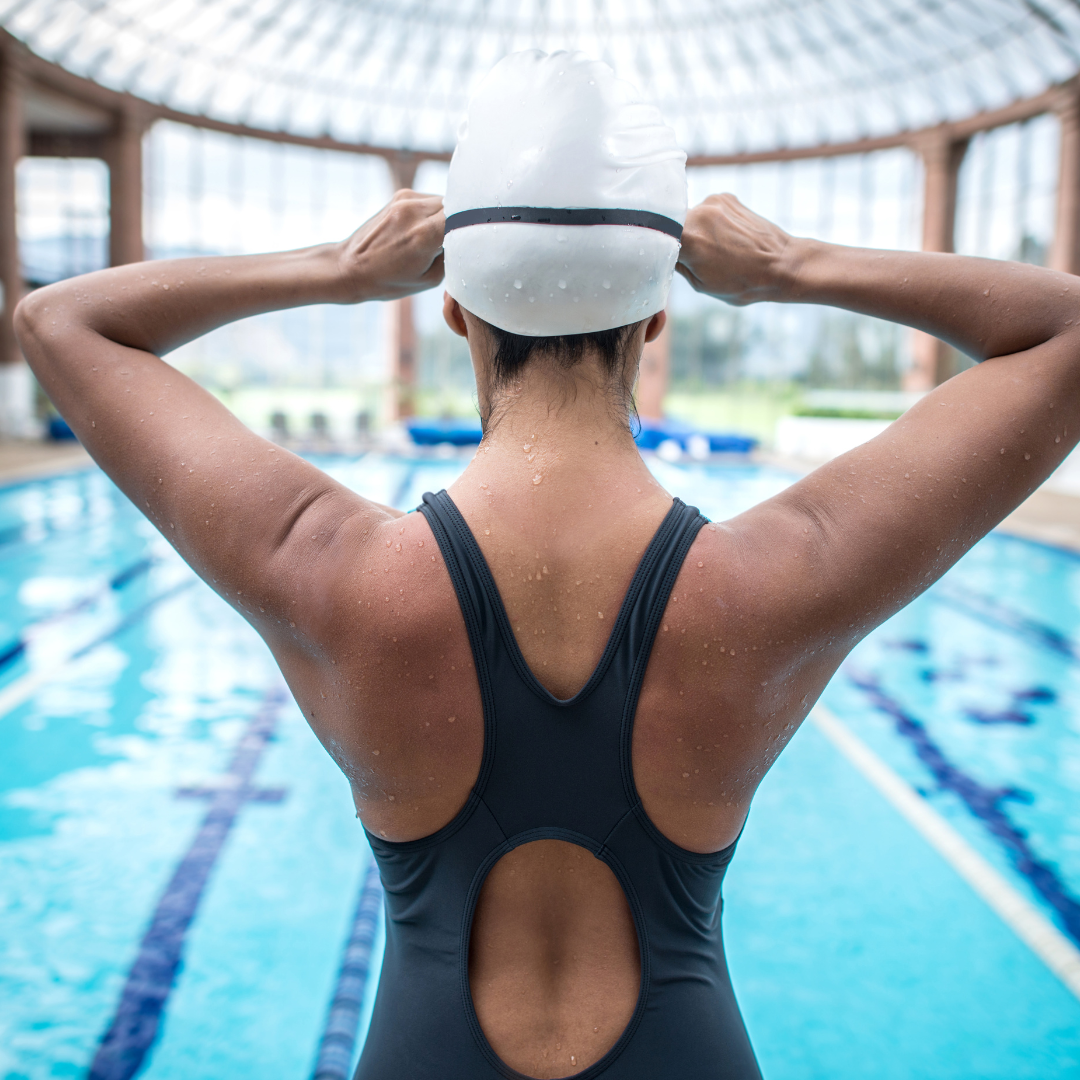
Frontiers in Sports and Active Living | March 2024
Training zones in competitive swimming: a biophysical approach
“This overall knowledge allows advancing toward more objective training programs and highlights the importance of systematic training control and swimmers’ evaluation and advice.“
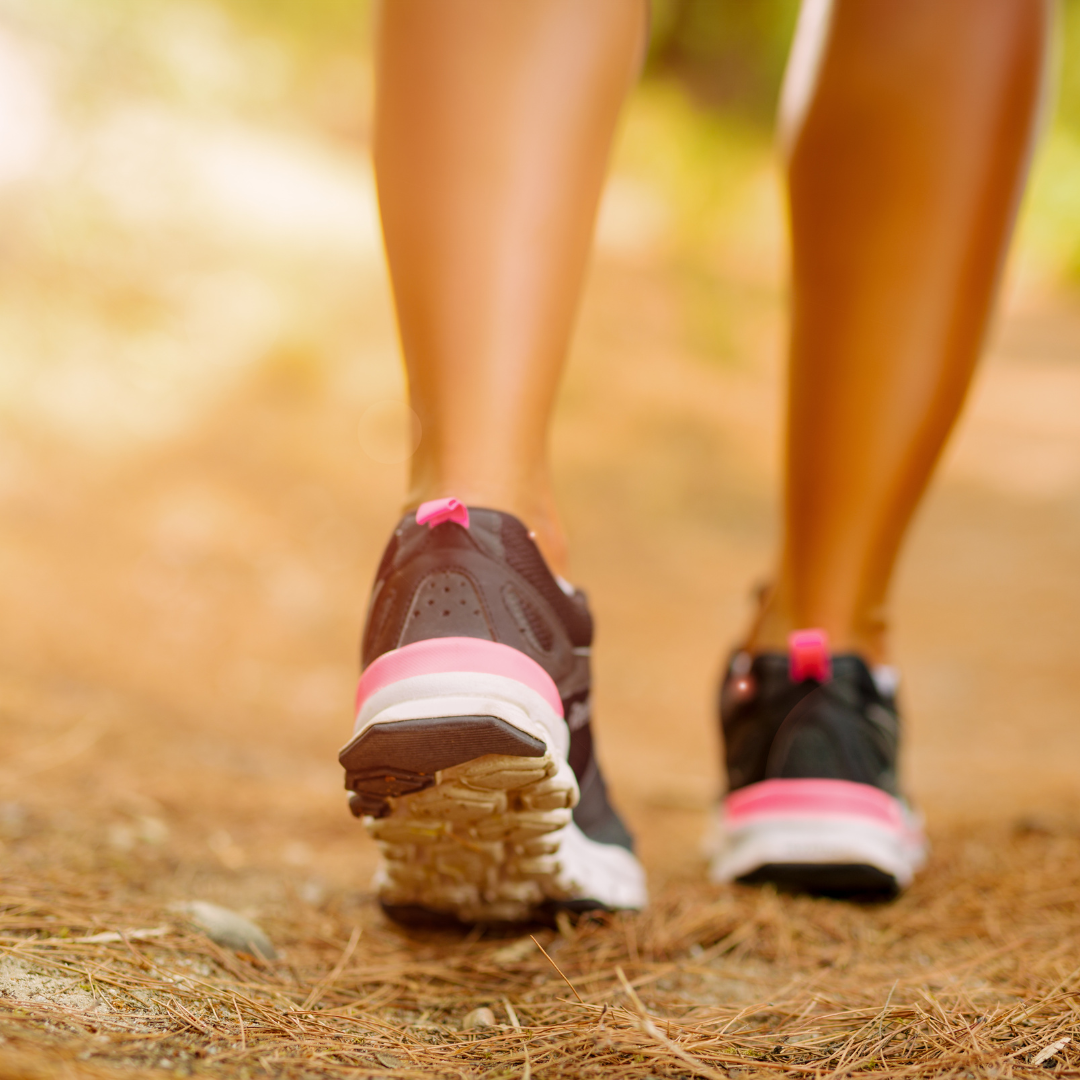
Frontiers in Sports and Active Living | March 2024
Spatiotemporal walking performance in different settings: effects of walking speed and sex
“Particularly at slow speeds, spatiotemporal walking performance was different between the settings, suggesting that setting characteristics such as walkway boundary definition may significantly influence spatiotemporal walking performance.“
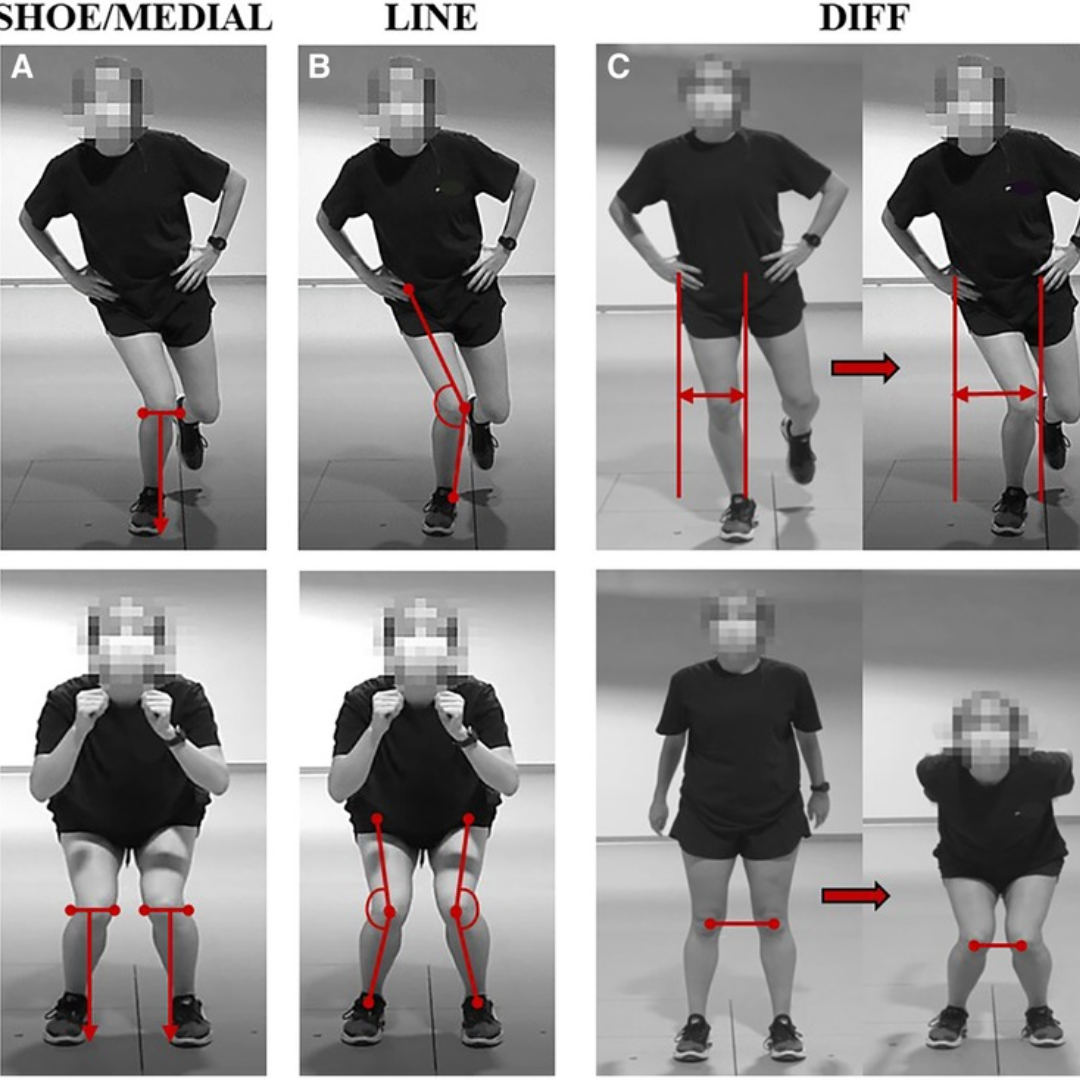
Frontiers in Sports and Active Living | March 2024
A 2D video-based assessment is associated with 3D biomechanical contributors to dynamic knee valgus in the coronal plane
“Along with the previously published scoring definitions for trunk-specific risk factors, the authors suggest that the MEDIAL criterion may be the most indicative of DKV, given an association with 3D biomechanical risk factors.“
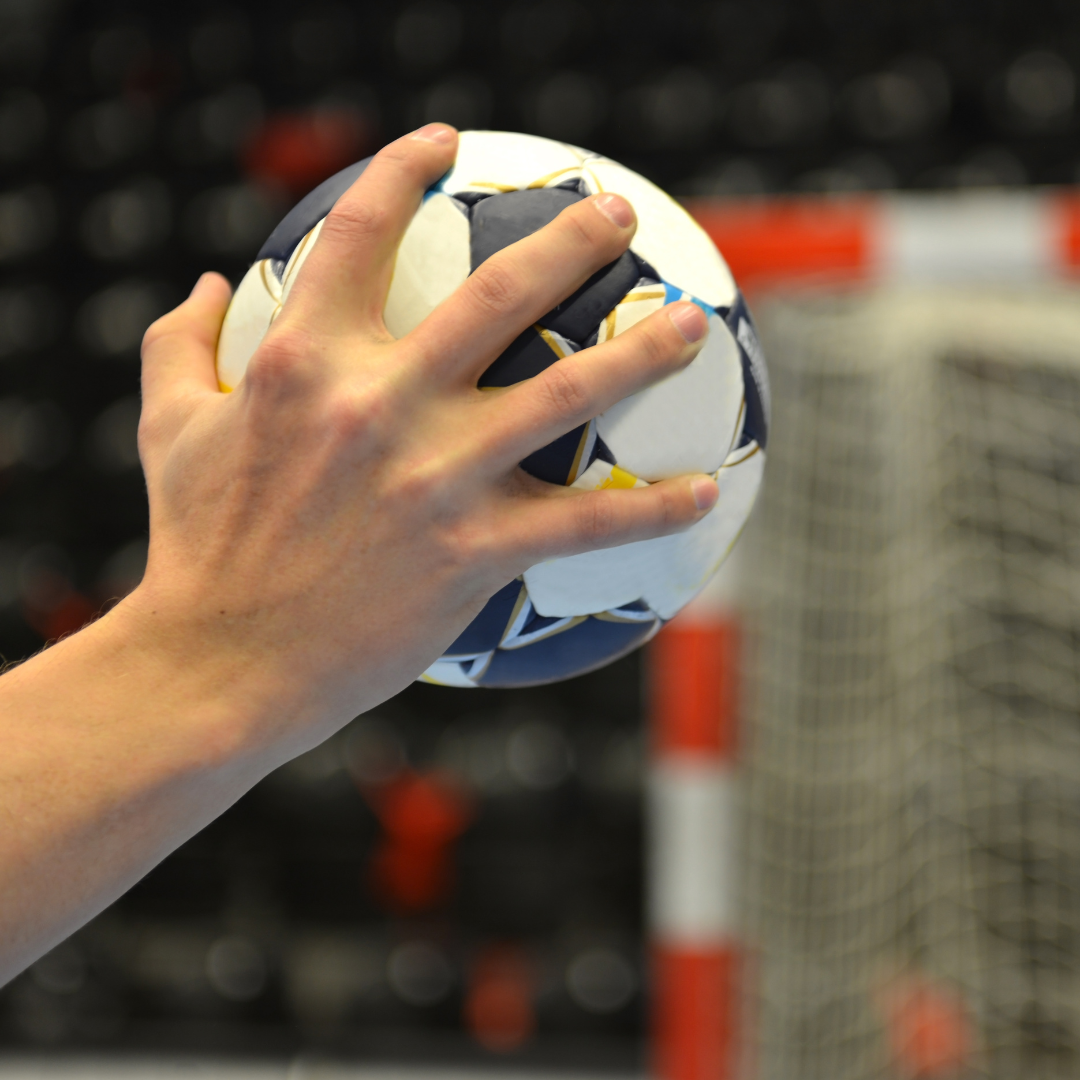
Frontiers in Sports and Active Living | March 2024
Evolution of attack in handball when playing 7 vs. 6 with empty goal between 2020 and 2023: coaches’ perception vs. observational results
“The results obtained and analyzed allow us to state that coaches, despite agreeing that the 7 vs. 6 EG rule corresponds to an evolution of the game, defend changes to it.“

Journal of Science and Medicine in Sport | March 2024
Cardiorespiratory fitness and muscular fitness correlates in youth: a hierarchy of behavioral, contextual, and health-related outcomes
“Both body composition and sports-related characteristics emerged as the two most relevant factors of PF in youth.”
Newsletter History
No Results Found
The page you requested could not be found. Try refining your search, or use the navigation above to locate the post.
Research Articles
Suggested articles for further readingBODY COMPOSITION
Jackson, A and Pollock, M. Generalized equations for predicting body density of men. British Journal of Nutrition. 1978;40:497-504. Abstract
Siri, W. Body composition from fluid space and density. Brozek & A. Hanschel (Eds.), Techniques for measuring body composition. 1961;223-244. Abstract
Brozek, J, Grande, F, Anderson, J, and Keys, A. Densitometric analysis of body composition: Revision of some quantitative assumptions. Annals of the New York Academy of Sciences. 1963;110:113-140. Abstract
INJURY PREVENTION IN YOUTH ATHLETES
Chu, D., A. Faigenbaum, and J. Falkel. Progressive Polymetrics for Kids. Monterey, CA: Healthy Learning. 2006
Hewett, T. G. Myer, and K. Ford. Reducing knee and anterior cruciate ligament injuries among female athletes. J Knee Surg 18:82-88. 2005.
Micheli, L. Preventing injuries in sports: What the team physician needs to know. In: F.I.M.S. Team Physician Manual, 2nd ed., K. Chan, L. Micheli, A. Smith, C. Rolf, N. Bachl, W. Frontera, and T. Alenabi, eds. Hong Kong: CD Concept. 2006. pp. 555-572.
RPE (RATING OF PERCEIVED EXERTION)
Pandolf, K, Billings, D, Drolet, L, Pimental, N, and Sawka, M. Differentiated ratings of perceived exertion and various physiological responses during prolonged upper and lower body exercise. European Journal of Applied Physiology and Occupational Physiology. 1984;53:5-11. Abstract
Baden, D, McLean, T, Tucker, R, Noakes, T, and St Clair Gibson, A. Effect of anticipation during unknown or unexpected exercise duration on rating of perceived exertion, affect, and physiological function. J Sports Med. 2005;39:742-746. Abstract
SLEEP
For a more thorough list about sleep, check out Fatigue Science’s extensive research page.
Russel, C., PhD, J.A., PhD, Arand, D., PhD, Myers, L.J., PhD, Wubbels, P., BS, and Downs, H., PhD. Validation of the Fatigue Science Readiband™ Actigraph and Associated Sleep/Wake Classification Algorithms. Archinoetics, LLC.
Globe and Mail. The Globe and Mail, 31 Dec. 2014. Web. 13 Apr. 2015. Article
Mah CD; Mah KE; Kezirian EJ; Dement WC. The effects of sleep extension on the athletic performance of collegiate basketball players. SLEEP 2011;34(7):943-950.
GPS (GLOBAL POSITIONING SYSTEM)
Varley M, Fairweather I and Aughey R. Validity and reliability of GPS for measuring instantaneous velocity during acceleration, deceleration and constant motion. Journal of Sports Sciences. 2012;30(2):121-127. Abstract
Boyd L, Ball K and Aughey R. Quantifying external load in Australian football matches and training using accelerometers. I J Sports Phys and Perf. 2013;8(1):44-51. Abstract
Gabbett T. Quantifying the physical demands of collision sports; does microsensor technology measure what it claims to measure? J Strength and Conditioning Research. 2013;27(8):2319-2322. Abstract
HYDRATION
For a thorough list of publications about hydration, visit the Gatorade Sports Science Institute Publications page.
Osterberg, K, Horswill, C, and Baker, L. Pregame urine specific gravity and fluid intake by National Basketball Association players during competition. Journal of Athletic Training – J ATHL TRAINING. 2009 01-02;44(1):53-7. Abstract
Godek, S, Peduzzi, C, Burkholder, R, Condon, S, Dorshimer, G, and Bartolozzi, A. Sweat rates, sweat sodium concentrations, and sodium losses in 3 groups of professional football players. Journal of Athletic Training. 2010 Jul-Aug; 45(4): 364–371. Abstract
WELLNESS QUESTIONNAIRE
Hooper, S, Mackinnon, L. Monitoring overtraining in athletes: recommendations. Sports Med. 1995;20(5):321–327.
McLean, B, Coutts, A, Kelly, V, McGuigan, M, and Cormack, S. Neuromuscular, endocrine, and perceptual fatigue responses during different length between-match microcycles in professional rugby league players. International Journal of Sports Physiology and Performance. 2010;5:367-383. Abstract
HRV (HEART RATE VARIABILITY)
Holman, A and Ng, E. Heart rate variability predicts anti-tumor necrosis factor therapy response for inflammatory arthritis. Auton Neurosci. 2008;143:58-67. Abstract
Fomin, R and Nasedkin, V. Effective management of athlete preparation: a comprehensive approach to monitoring of athlete’s individual readiness. White paper, Omegawave, ePub. 2013.
FORCE PLATE
Linthorne, N. Analysis of standing vertical jumps using a force platform. American Journal of Physics. 2001. Abstract
Guillaume L, Wagner P, and Tombleson T. Countermovement jump height: gender and sport-specific differences in the force-time variables. Journal of Strength and Conditioning Research. 2013. Abstract
ithlete. Guide to training with heart rate variability (HRV). HRV Fit Ltd. 2012. Download