
When it comes to maximizing athletic performance, hydration is one of the most underrated yet powerful tools available. Proper hydration affects everything from energy levels and endurance to focus and reaction time. Even a small drop in hydration — as little as 2% body weight lost through sweat — can significantly impact performance and recovery.
For young athletes and professionals alike, understanding how to stay properly hydrated before, during, and after competition can be the difference between good and great performance.
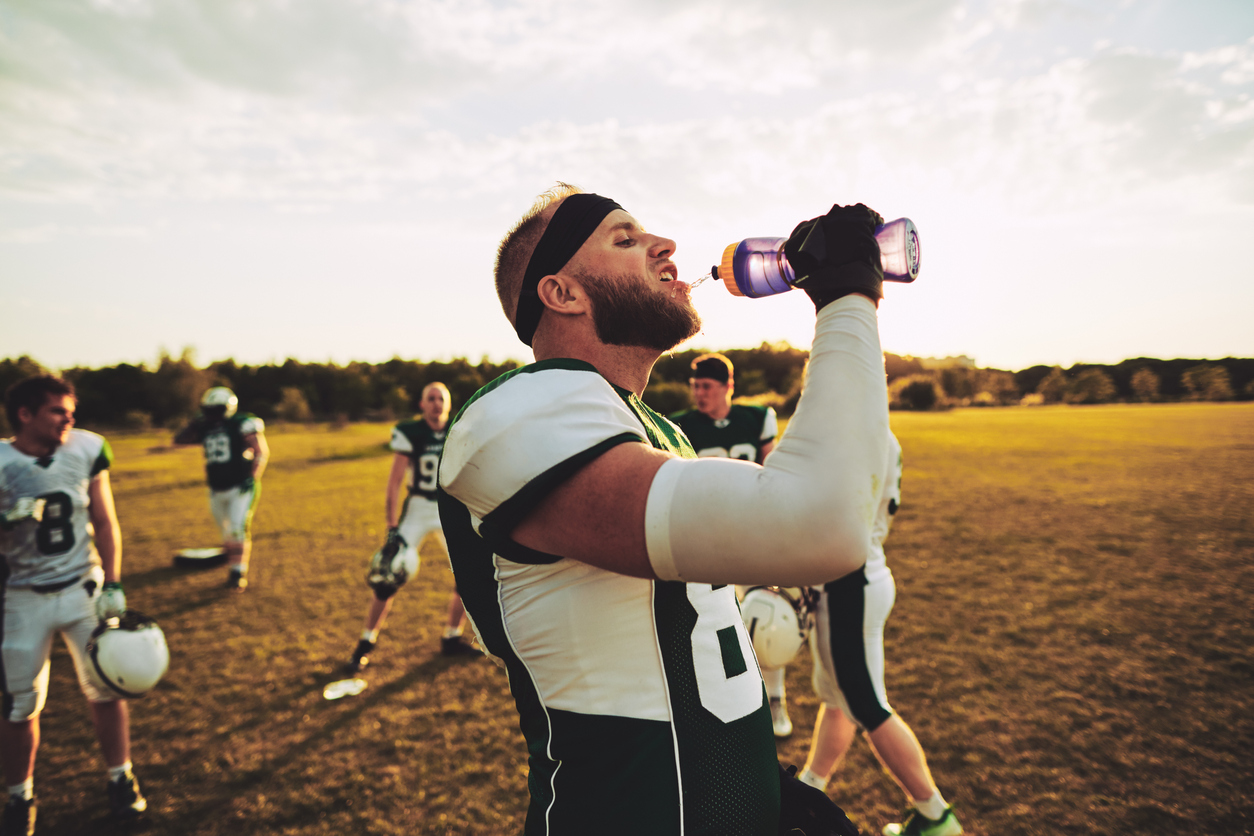
Why Hydration Matters in Sports
Water plays a crucial role in regulating body temperature, transporting nutrients, and maintaining muscle function. During intense exercise, the body loses fluids and electrolytes through sweat, which must be replenished to maintain balance and performance.
When athletes fail to hydrate properly, the results can include:
-
Reduced Endurance: Dehydration causes the heart to work harder, increasing fatigue.
-
Loss of Coordination: Even mild dehydration affects reaction time and accuracy.
-
Muscle Cramps: Electrolyte imbalances lead to painful spasms and reduced strength.
-
Mental Fatigue: Concentration and decision-making decline with fluid loss.
The bottom line — hydration isn’t just about comfort. It’s about maintaining peak physiological and cognitive function when it matters most.
Pre-Game Hydration Strategies
Hydration starts long before the competition begins. Athletes should begin drinking fluids in the hours leading up to training or games to ensure their bodies are ready to perform.
Here are key pre-competition hydration strategies:
-
Start Early: Drink 16–20 ounces of water 2–3 hours before activity.
-
Top Off: Consume another 8–10 ounces about 20 minutes before playing.
-
Eat Hydrating Foods: Fruits like oranges, watermelon, and strawberries provide fluids and electrolytes.
-
Avoid Excess Caffeine: Too much caffeine can increase urine output and lead to dehydration.
By arriving at practice or competition already hydrated, athletes set themselves up for sustained performance rather than playing catch-up once fatigue sets in.
Staying Hydrated During Activity
Hydration during competition is all about maintaining balance between fluid loss and intake. Every athlete sweats differently, so hydration plans should be individualized based on sweat rate, temperature, and intensity of play.
General guidelines include:
-
Drink Regularly: Consume 7–10 ounces every 10–20 minutes during activity.
-
Use Electrolyte Drinks: Sports drinks containing sodium, potassium, and magnesium help replace minerals lost through sweat.
-
Monitor Color: A light yellow urine color is a good indicator of hydration status.
-
Listen to Your Body: Thirst is a late signal—don’t wait for it to drink.
For endurance athletes or those training in heat, electrolyte balance becomes even more critical. Fluids with added sodium not only replace lost salts but also encourage the body to retain water longer.
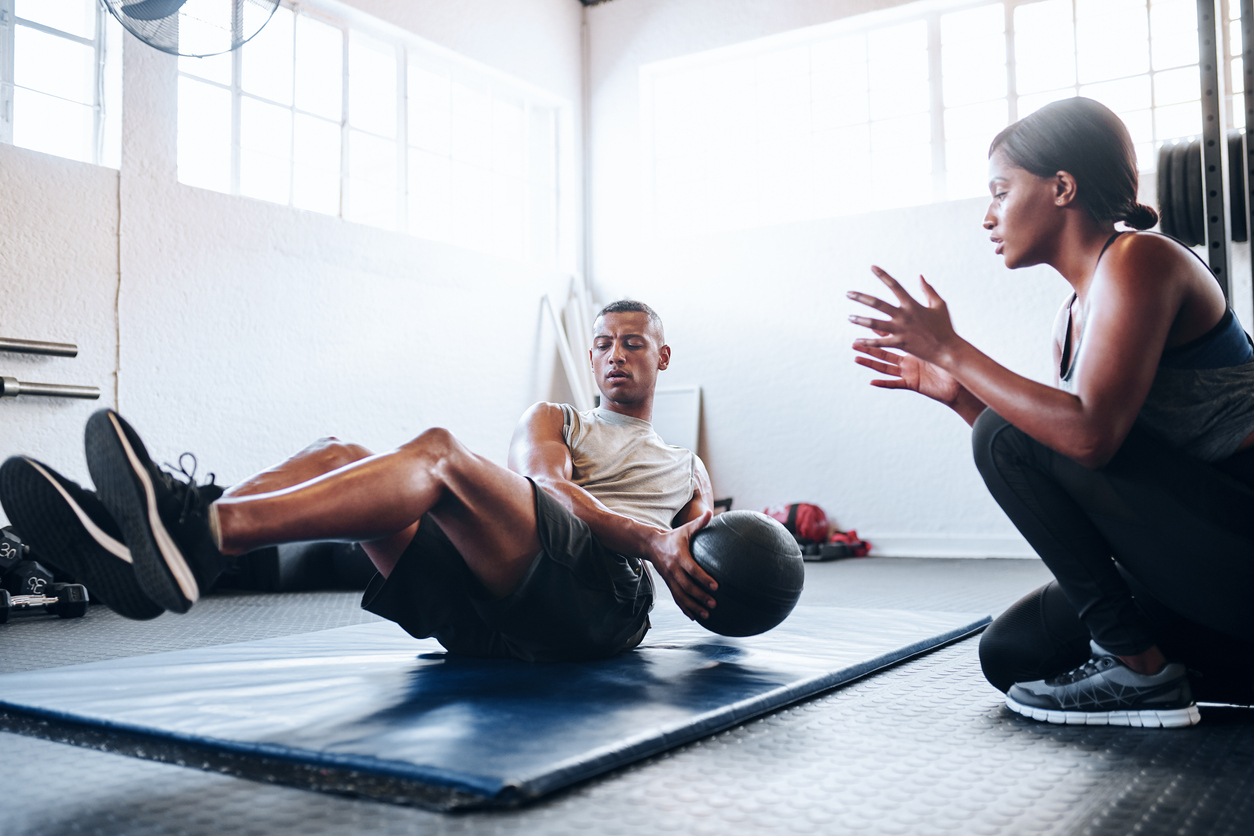
Post-Training Recovery Hydration
Hydration doesn’t stop when the game ends. Recovery fluids are essential for replenishing what was lost and speeding up muscle repair.
Effective post-activity hydration strategies include:
-
Replenish Quickly: Drink at least 16–24 ounces of fluid for every pound lost during activity.
-
Combine Fluids with Nutrition: Pair drinks with a recovery meal containing carbohydrates and protein.
-
Include Electrolytes: Continue using drinks with electrolytes to restore sodium and potassium levels.
-
Monitor Ongoing Hydration: Keep hydrating throughout the day after intense training sessions.
Recovery hydration ensures that athletes return to practice fully recharged and reduces the risk of fatigue or overuse injuries.
Using Data to Personalize Hydration Plans
Hydration is not one-size-fits-all. Every athlete’s body responds differently to heat, humidity, and workload. That’s why monitoring hydration levels and performance data can help create tailored hydration strategies that maximize efficiency.
Performance tracking tools now allow coaches to measure factors such as body weight change, sweat rate, and even electrolyte balance. These insights help athletes learn how much and when to drink for optimal results.
How CoachMePlus Enhances Hydration and Recovery
CoachMePlus gives coaches and performance staff the ability to track hydration data, workload, and recovery metrics all in one platform. By integrating athlete feedback and performance monitoring, teams can design personalized hydration protocols that improve endurance, reduce fatigue, and enhance overall performance.
From pre-game preparation to post-game recovery, CoachMePlus helps coaches ensure their athletes are hydrated, healthy, and ready to perform at their best every day.

Recent Comments