
Key Take Aways
CoachMePlus makes the case that athlete monitoring tools build genuine accountability, not just data collection:
- Daily wellness check-ins, RPE tracking, hydration logs, and sleep monitoring build consistency and self-awareness, and CoachMePlus automates reminders and flags missed check-ins so nothing slips through the cracks.
- Transparent, real-time data (strength progressions, readiness scores) turns vague feedback into specific, collaborative conversations, and individualized development plans with tracked compliance let coaches and athletes stay aligned on clear, measurable expectations.
Empower Athletes and Coaches Through Transparent, Data-Driven Performance
In today’s high-performance sports environments, success is built on more than just talent — it’s built on accountability. When athletes consistently show up, put in the work, and take ownership of their performance, teams thrive. For sports academies, developing that kind of culture takes intention, consistency, and the right tools.
By integrating athlete monitoring tools into your academy’s daily operations, you can create a structured and transparent system that keeps athletes engaged, coaches informed, and progress measurable.
Why Accountability Matters in Athlete Development
Accountability doesn’t just mean showing up to practice. It’s about athletes understanding their role, owning their development, and taking proactive steps to improve. When accountability is embedded into the fabric of a sports academy, athletes are more likely to:
-
Follow through on training and recovery protocols
-
Engage in meaningful conversations with coaches
-
Track their progress and set realistic goals
-
Develop internal motivation and leadership skills
But cultivating this mindset doesn’t happen on its own. It needs to be modeled, reinforced, and supported with systems that make expectations clear.
Daily Monitoring That Builds Consistency
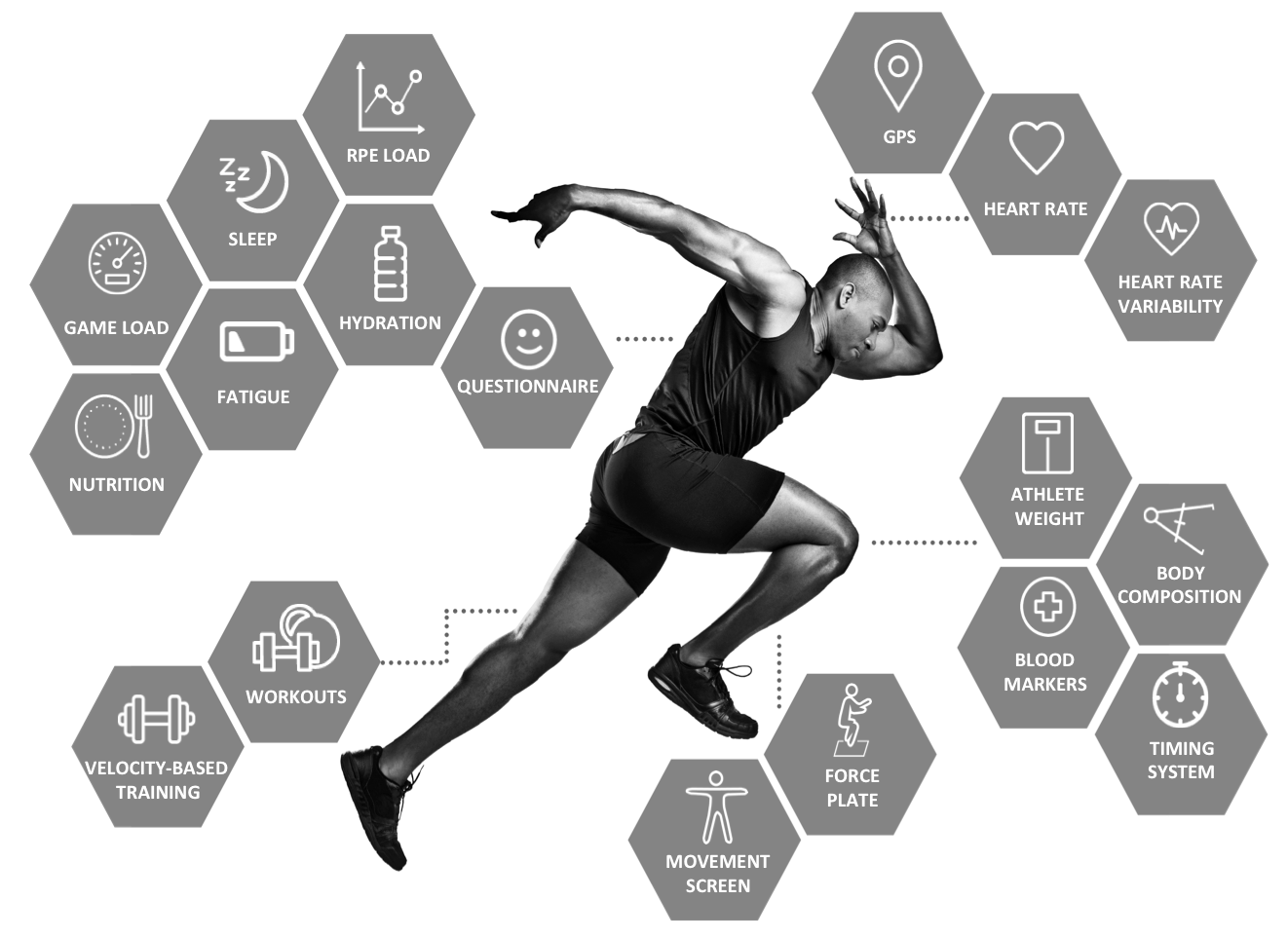
The foundation of accountability is consistency. Nowadays, sports academies can implement daily wellness check-ins, RPE (Rate of Perceived Exertion) tracking, hydration logs, and sleep monitoring — all accessible through a mobile-friendly platform.
Athletes quickly learn that every data point matters. Their daily inputs help coaches make informed decisions, but more importantly, they begin to see patterns in their own behavior and performance. This sense of self-awareness is a key driver of personal accountability.
And because CoachMePlus allows coaches to automate reminders and flag missed check-ins, no one slips through the cracks.
Transparent Data Leads to Honest Conversations
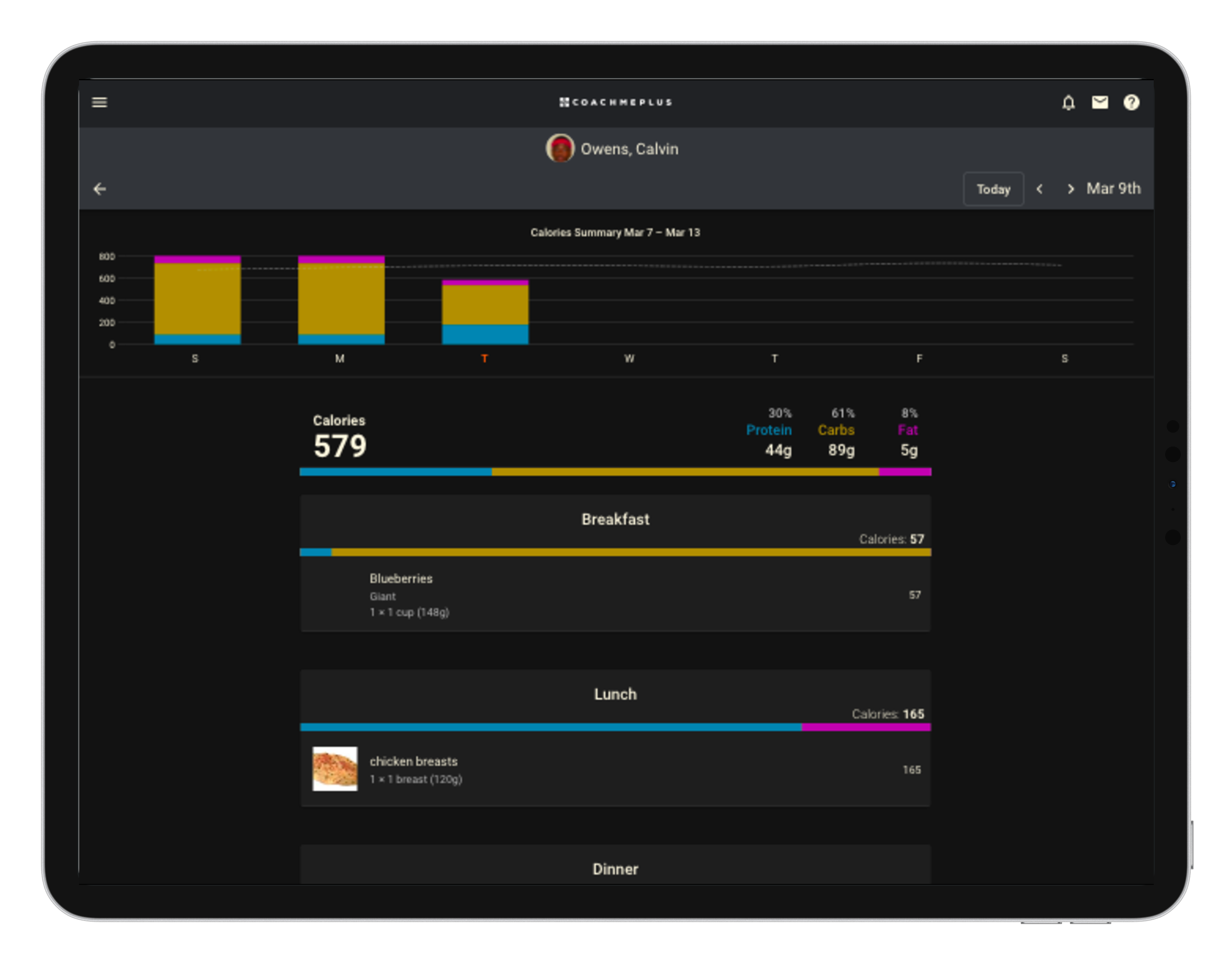
One of the most powerful ways to build trust between coaches and athletes is through open, data-driven dialogue. When athletes can see their own metrics in real time — from strength progressions to readiness scores — they become more invested in the process.
It’s vital to keep it easy for coaches to visualize trends, share reports, and use objective data to guide feedback. Instead of vague assessments like “you’re not working hard enough,” coaches can point to specific indicators and collaborate with athletes on a solution.
This transparency reduces friction, encourages honesty, and fosters a two-way accountability system: athletes take ownership of their data, and coaches take responsibility for acting on it.
Individualized Development Plans That Keep Everyone Focused
Accountability works best when goals are clear. Sports academies can build individualized development plans for each athlete — tracking key performance indicators, recovery targets, and milestones along the way.
When athletes know exactly what’s expected of them and can see measurable benchmarks, they are far more likely to stay on track. Leveraging dashboards make it easy to track progress, update goals, and provide instant feedback — keeping everyone aligned and accountable.
Coaches can also have the option of assigning custom training blocks or rehabilitation protocols, with compliance tracked in real time. No more wondering who’s following the plan — the data tells the story.
Culture Starts with Communication
Accountability isn’t just about what happens on the field or in the weight room — it’s about communication, trust, and consistency. From sending reminders about recovery sessions to checking in after a tough game, these micro-interactions reinforce your academy’s commitment to structure and support. When athletes know their coaches are paying attention, they respond with greater commitment and responsibility.

Recent Comments