
When it comes to developing young athletes, strength training is one of the most valuable and misunderstood tools available. Some parents and coaches worry that lifting weights at a young age could stunt growth or lead to injury, but research consistently shows that when done correctly, strength training provides tremendous benefits for youth athletes.
From improving performance to reducing injury risk and building confidence, early strength development lays the groundwork for athletic success later in life. The key is education, proper technique, and a focus on progression rather than pushing heavy loads too soon.

Why Strength Training Matters for Youth Athletes
Strength training is about much more than building muscle—it’s about developing movement quality, coordination, and confidence. Young athletes are in a crucial phase of motor skill development, and resistance training enhances those skills by teaching the body to move efficiently and powerfully.
Key benefits include:
-
Injury Prevention: Stronger muscles, tendons, and ligaments help stabilize joints and reduce common sports injuries.
-
Improved Athletic Performance: Strength gains translate to faster sprinting, higher jumping, and better overall control.
-
Enhanced Confidence: As athletes see progress in the gym, they build self-belief that carries onto the field or court.
-
Better Movement Patterns: Foundational exercises teach proper form and coordination that benefit all sports.
When introduced properly, strength training sets the stage for long-term athletic development and safe progression into more advanced training programs.
Fundamentals of Youth Strength Training
Youth training should always prioritize form, safety, and gradual progression. Coaches should focus on quality movement rather than maximum weight lifted.
Key components include:
-
Bodyweight Foundations: Movements like squats, push-ups, planks, and lunges teach control and balance.
-
Light Resistance: Bands, medicine balls, and lightweight dumbbells help introduce load safely.
-
Proper Warm-Up and Mobility: Dynamic stretches and mobility work prepare joints and muscles for training.
-
Coach Supervision: Every session should be guided by a trained coach to ensure technique and progression are appropriate.
By emphasizing these fundamentals, young athletes build strength safely and effectively without compromising growth or development.
Designing an Effective Youth Strength Program
A well-structured program balances intensity, volume, and recovery. The goal isn’t to train like adults—it’s to build a strong foundation.
Here’s a general framework for youth athletes:
-
Frequency: 2–3 sessions per week with rest days in between.
-
Focus Areas: Full-body movements that develop multiple muscle groups.
-
Repetition Range: Higher reps (10–15) with lighter resistance for skill mastery.
-
Progression: Gradually increase difficulty as movement quality improves.
Incorporating variety keeps athletes engaged while developing strength, coordination, and athleticism.

The Role of Recovery and Nutrition
Strength gains don’t happen in the gym—they happen during recovery. Youth athletes need adequate sleep, hydration, and balanced nutrition to support their training.
Coaches and parents should emphasize:
-
Getting 8–10 hours of sleep per night for optimal recovery.
-
Consuming protein-rich foods to support muscle repair.
-
Staying hydrated before, during, and after workouts.
-
Scheduling rest days to prevent overuse injuries.
Education on recovery is just as important as the training itself. When athletes understand the “why” behind rest and nutrition, they take ownership of their progress.
Tracking Progress and Building Habits
Tracking performance helps young athletes see how far they’ve come, which builds motivation and accountability. Even simple progress markers—like how many push-ups they can do or improvements in sprint times—create a sense of achievement.
Technology now allows coaches to track data such as load progression, readiness, and recovery trends in one place. These insights help ensure athletes are improving safely and sustainably.
How CoachMePlus Supports Youth Development
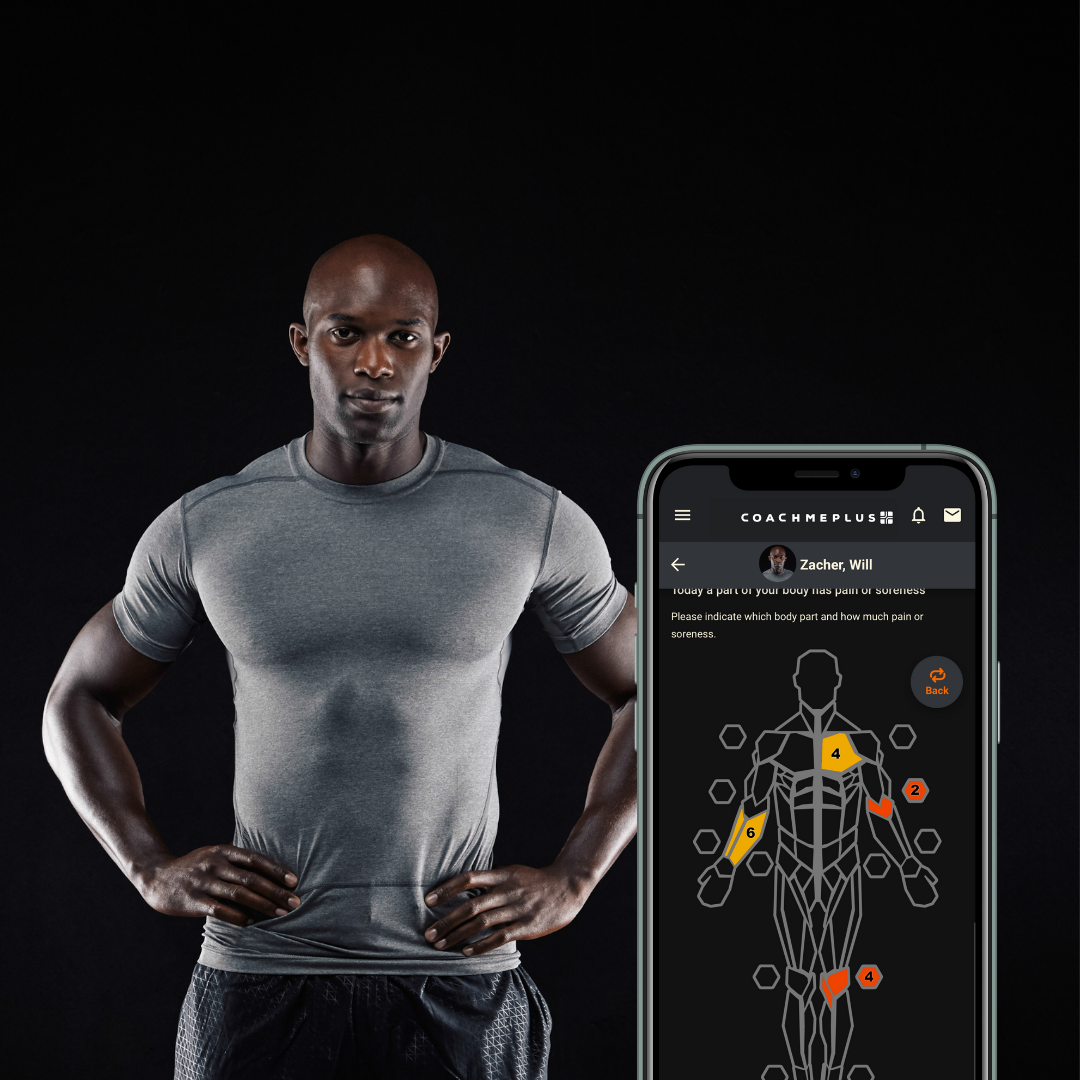
CoachMePlus provides a powerful platform for coaches working with young athletes, allowing them to track workouts, monitor recovery, and build customized programs. With clear progress dashboards and communication tools, coaches can ensure each athlete develops at their own pace while maintaining proper safety and technique.
By combining smart tracking with personalized training, CoachMePlus helps youth programs build confident, strong, and injury-resistant athletes prepared for long-term success.
Recent Comments