
Key Take Aways
CoachMePlus makes the case for workload monitoring during the high school-to-college athletics transition:
- The jump brings higher training volume, faster turnaround between sessions, and new academic/social pressures, and without adaptation time, overuse injuries, stress fractures, and chronic fatigue risk rises sharply in the first semester, worsened by freshmen hesitating to report fatigue for fear of looking weak.
- A smarter transition relies on gradual progression, consistent tracking of workouts/soreness/sleep/mood, active recovery, and open communication, turning subjective feelings into measurable data so athletes and coaches know when to push and when to rest, which CoachMePlus supports by centralizing performance, wellness, and recovery tracking.
Every year, thousands of high school athletes take the leap into college athletics. It is an exciting transition filled with opportunity, but it also brings new physical, mental, and emotional challenges. Training schedules become longer, recovery time shortens, and competition intensity increases. Without proper workload management, these demands can quickly lead to burnout, injury, or even dropout.
While most athletes focus on improving performance, learning how to manage and monitor workload is just as important. The key to a successful transition lies in balancing training stress with adequate recovery and communication.

Understanding the Transition
Moving from high school to college sports is often a shock to the system. What used to be a few practices a week now becomes structured daily training with early lifts, conditioning sessions, and game preparation. Many athletes are not prepared for:
-
Higher training volume: More weekly sessions and longer practice durations
-
Increased physical intensity: College workouts demand greater effort and load
-
Faster turnaround times: Less rest between practices or competitions
-
New environments: Different surfaces, facilities, and coaching styles
-
Greater academic and social pressures: Managing time becomes more complex
Without time to adapt, the risk of overuse injuries, stress fractures, or chronic fatigue rises significantly in the first semester.
Why Monitoring Workload Matters
Workload monitoring gives athletes and coaches a clearer picture of how the body responds to stress. It is not just about tracking how far you run or how much weight you lift — it is about understanding the relationship between effort, fatigue, and recovery.
A consistent workload management plan can:
-
Identify fatigue early: Detect warning signs like reduced energy or slower recovery
-
Prevent overtraining: Keep athletes from pushing beyond their physical limits
-
Personalize training: Adjust intensity based on individual response
-
Promote recovery: Ensure proper rest and regeneration between sessions
-
Support long-term development: Build a sustainable foundation for athletic growth

Common Challenges for Incoming Athletes
Transitioning to college competition comes with common obstacles that can derail progress if not handled correctly:
-
Underestimating recovery: Many athletes overtrain, believing more effort always equals better results
-
Ignoring warning signs: Small aches or soreness can develop into major injuries if overlooked
-
Inconsistent nutrition or sleep: Irregular routines affect performance and recovery
-
Lack of communication: Freshmen may hesitate to report fatigue, fearing it shows weakness
-
Balancing new responsibilities: Managing classes, travel, and independence adds stress that impacts performance
Recognizing and addressing these issues early makes a huge difference in avoiding setbacks.
Building a Smarter Transition Plan
A structured approach helps new athletes adjust safely to collegiate training loads. Coaches and athletes can work together to design a plan that emphasizes gradual adaptation, consistency, and awareness.
Key strategies include:
-
Gradual progression: Increase training volume and intensity slowly each week
-
Consistent tracking: Record workouts, soreness, sleep, and overall mood daily
-
Active recovery: Include stretching, mobility, and light movement days
-
Nutrition focus: Fuel properly before and after workouts to support energy levels
-
Open communication: Encourage honest feedback about fatigue or discomfort
By turning subjective feelings into measurable data, athletes can better understand their limits and make smarter decisions about when to push and when to recover.
The Long-Term Benefits
Workload monitoring does more than prevent injuries — it helps athletes build habits that sustain long-term success. When training and recovery are balanced, athletes experience:
-
Improved performance consistency
-
Lower risk of chronic injuries
-
Better academic and athletic balance
-
Increased confidence and mental resilience
Transitioning successfully is not just about surviving the first season; it is about setting the foundation for
From Data to Development
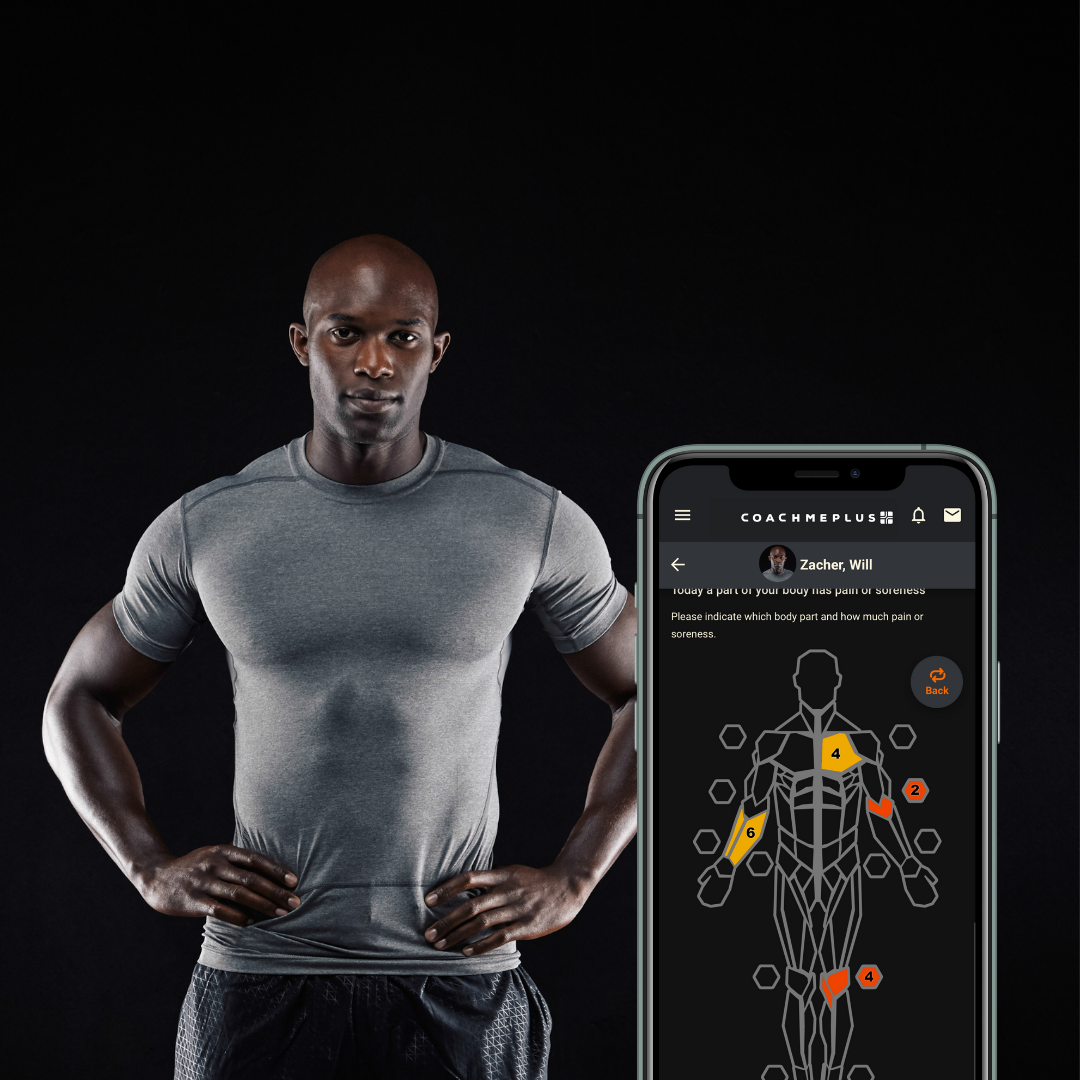
Platforms like CoachMePlus make this process easier by allowing coaches and athletes to track performance, wellness, and recovery in one place. By visualizing patterns in workload, fatigue, and adaptation, teams can tailor training programs that protect athletes during the critical transition from high school to college.
With the right data, communication, and recovery plan, athletes can move beyond the adjustment phase and focus on what matters most: performing at their best while staying healthy and engaged throughout their collegiate career.
Recent Comments