
Key Take Aways
CoachMePlus lays out how middle-aged adults can start running safely for the first time:
- Get medical clearance first (especially with preexisting conditions), invest in proper shoes fitted for your gait, and ease in with a walk-run method (30 seconds to 1 minute running, 2-3 minutes walking, repeated for 20-30 minutes) rather than jumping straight into distance.
- Strength and mobility work protects joints, recovery takes longer than it did in your 20s so listening to your body matters more, and performance/load monitoring tools, like those in CoachMePlus, help track effort and recovery to prevent overtraining while building consistency.
Running is one of the most effective, accessible, and rewarding forms of exercise. It improves cardiovascular health, strengthens muscles, supports weight management, and even boosts mental well-being. But if you’re entering your 40s, 50s, or beyond, the idea of lacing up your shoes and hitting the pavement for the first time may feel intimidating. The good news? It’s never too late to start running—you just need the right approach.
This guide will help middle-aged adults take their first steps into running safely, confidently, and sustainably.

Why Running in Midlife Is a Smart Choice
As we age, maintaining physical activity becomes even more important for long-term health. Running offers unique benefits for middle-aged adults:
-
Heart health: Improves cardiovascular endurance and lowers the risk of heart disease.
-
Bone strength: Running provides weight-bearing impact, which helps prevent osteoporosis.
-
Mental wellness: Reduces stress, improves mood, and supports better sleep.
-
Longevity: Studies show consistent runners often enjoy longer, healthier lives.
How to Safely Start Running in Your 40s, 50s, and Beyond
Jumping into a running routine without preparation can increase the risk of injury, especially as the body naturally changes with age. To set yourself up for success, focus on these essentials:
1. Get Medical Clearance
Before starting, consult with your doctor—especially if you have preexisting conditions like high blood pressure, joint issues, or heart concerns. A simple check-up ensures your body is ready for the added stress of running.
2. Invest in Proper Shoes
Good footwear makes a world of difference. Visit a running store where specialists can assess your gait and recommend shoes that support your feet, knees, and hips. Proper cushioning helps reduce joint impact.
3. Start with a Walk-Run Approach
Instead of trying to run a full mile on day one, use a walk-run method:
-
Run for 30 seconds to 1 minute.
-
Walk for 2–3 minutes.
-
Repeat for 20–30 minutes.
Gradually increase the running intervals as your endurance improves. This approach reduces stress on your body while still building fitness.
4. Prioritize Strength and Mobility
Middle-aged runners should focus on strength training and mobility to protect joints and improve efficiency. Incorporate:
-
Bodyweight exercises (squats, lunges, push-ups).
-
Core training (planks, bridges).
-
Stretching and flexibility routines to prevent stiffness.
5. Listen to Your Body
Unlike in your 20s, recovery takes longer in midlife. Pay attention to aches, soreness, and fatigue. If something feels off, rest or cross-train with low-impact activities like cycling, swimming, or yoga.
6. Set Realistic Goals
Instead of focusing on speed or distance, start with goals like running for 15 minutes without stopping or completing your first 5K. These small victories build momentum and confidence.

Tips to Stay Consistent and Motivated
Consistency is key to building a sustainable running habit. Here are strategies that work well for middle-aged runners:
-
Schedule runs like appointments. Treat your running time as non-negotiable.
-
Find a running partner or group. Accountability keeps you motivated.
-
Track progress with an app or journal. Seeing your improvement over time boosts confidence.
-
Celebrate milestones. Whether it’s your first mile or first race, recognize your achievements.
The Role of Technology in Midlife Running
Modern tools make running safer and more effective for older adults. Performance tracking apps and load monitoring tools can measure effort, recovery, and improvement over time. These insights help prevent overtraining while keeping you motivated.
Platforms like CoachMePlus provide personalized data tracking for athletes of all levels—including middle-aged runners looking to stay healthy and consistent. By understanding your body’s response to training, you can run smarter, not harder.
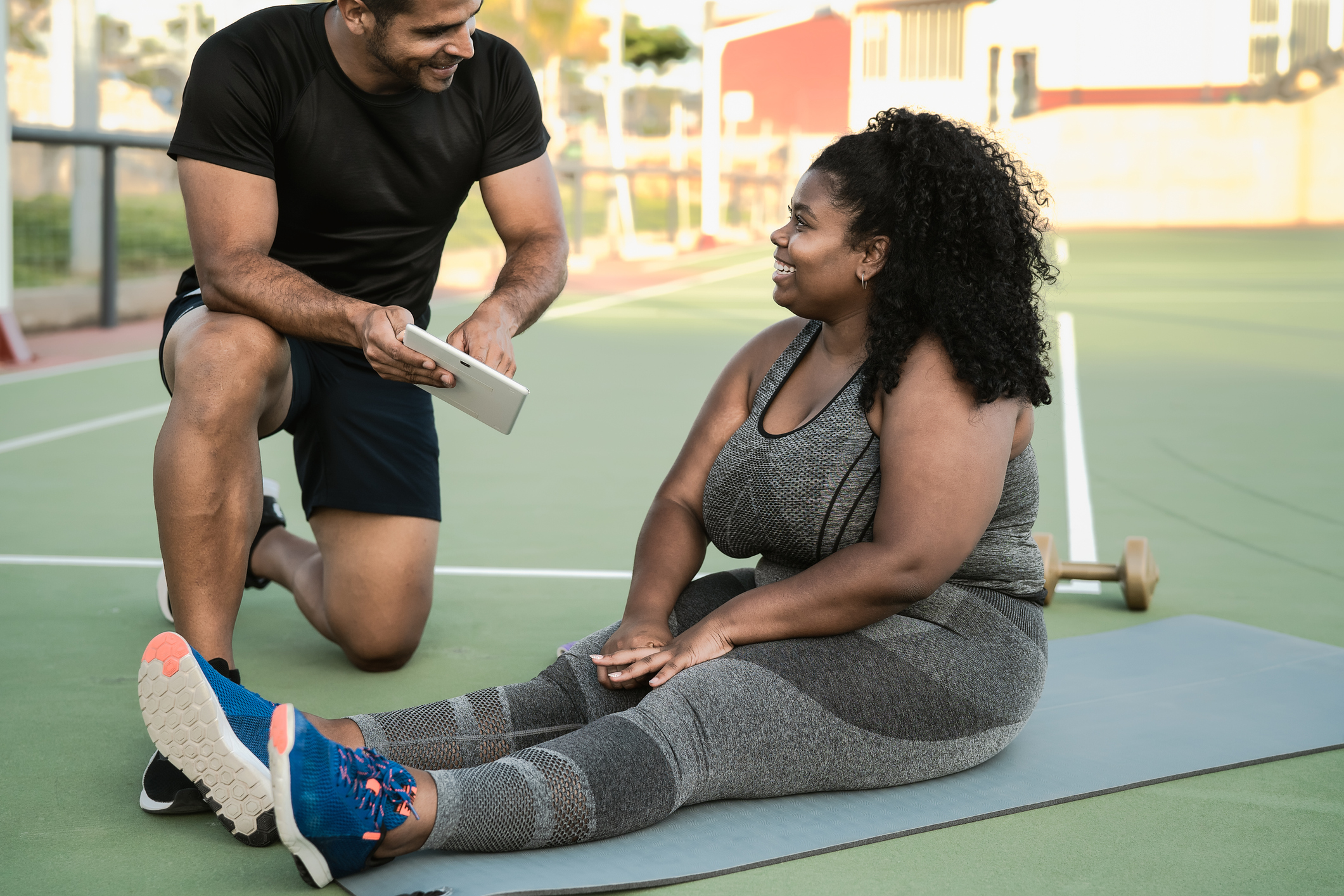
Starting to run later in life may feel daunting, but with the right plan, it can be one of the most rewarding decisions you make for your health. By easing into a routine, investing in proper gear, focusing on strength and mobility, and using smart performance monitoring, you’ll build a running habit that supports your body and mind for years to come.
CoachMePlus is here to help support your journey with tools that track progress, monitor training loads, and keep you on the path to long-term success. No matter your age, the best time to start running is now.
Recent Comments