
One of the biggest mistakes in athletic development is treating training the same way year-round. While the goals of off-season and in-season training are connected, they are not interchangeable. Each phase serves a different purpose, requires a different mindset and demands different decisions from coaches and performance staff.
Understanding the distinction between off-season and in-season training, and why both matter, is essential for maximizing performance while minimizing injury risk.
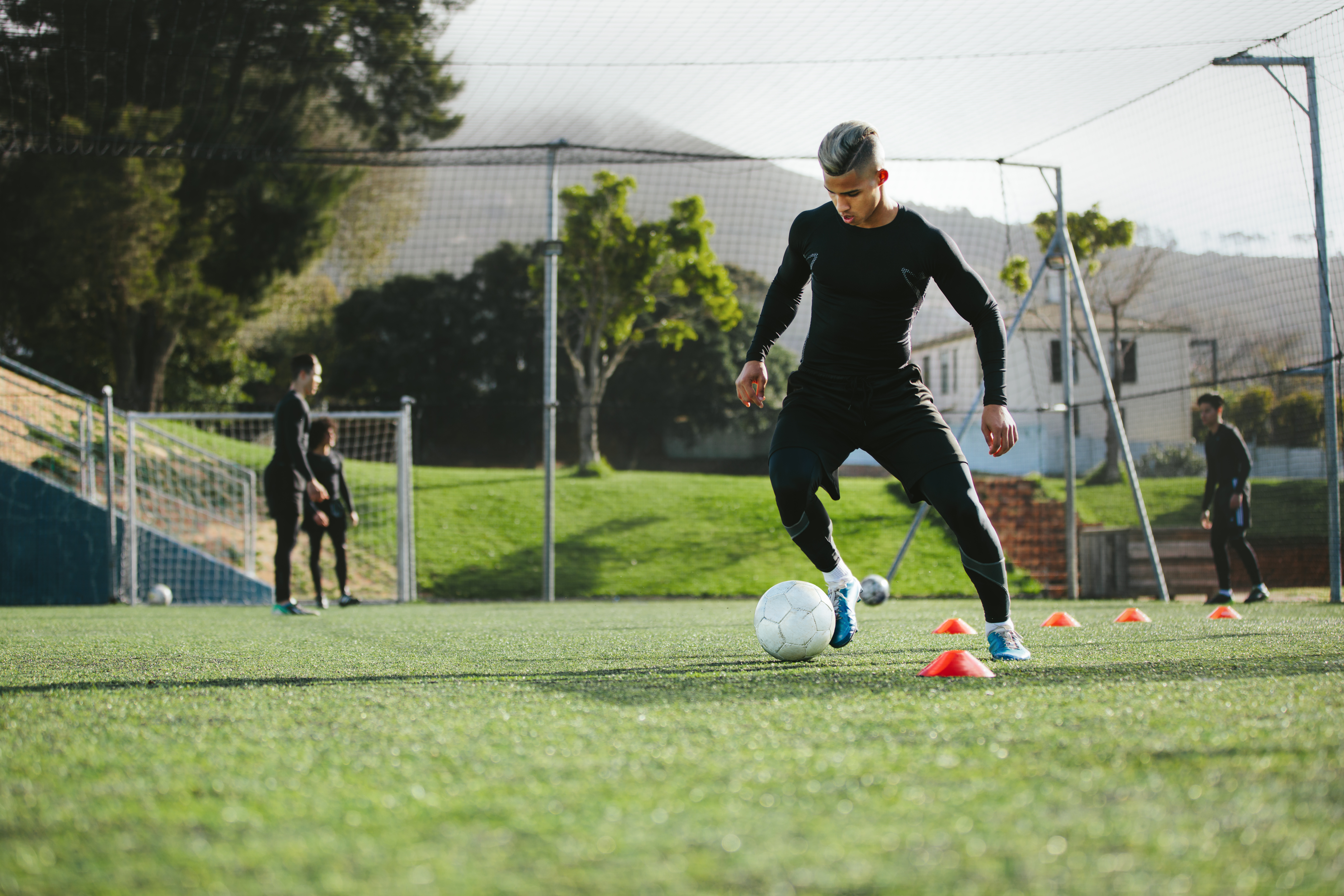
The Purpose of the Off-Season
The off-season exists to build. It is the only true window coaches have to address long-term physical development without the constant pressure of competition.
Key objectives of off-season training include:
-
Developing maximal strength, power and work capacity
-
Increasing training volume and intensity in a progressive manner
-
Addressing movement limitations, asymmetries and injury risk factors
-
Implementing technical changes without performance pressure
-
Establishing physical qualities that will carry into the competitive season
Strength training during the off-season often focuses on hypertrophy and maximal note force production. Conditioning blocks can be longer, more structured and more demanding. Speed and skill work can be layered strategically, allowing athletes to adapt without concern for immediate competition.
The Purpose of the In-Season
In-season training exists to maintain and support performance, not chase new physical adaptations. The priority shifts from development to availability.
Primary goals of in-season training include:
-
Maintaining strength, power and movement quality
-
Managing fatigue accumulated from competition and travel
-
Reducing injury risk while keeping athletes prepared to compete
-
Supporting performance rather than creating excessive soreness
While training volume is reduced, intensity often remains high. Research and practical experience show that strength can be maintained with relatively low volume, allowing short and efficient training sessions to preserve physical qualities without overwhelming athletes.
The in-season also requires flexibility. Game density, travel schedules and academic demands often force coaches to modify weekly plans. Successful programs adjust based on athlete readiness rather than rigid calendars.

Common Mistakes Across Both Phases
Despite good intentions, many programs struggle to properly separate off-season and in-season priorities.
Common errors include:
-
Carrying off-season volume into the competitive season
-
Overemphasizing conditioning when competition already provides load
-
Failing to individualize training for starters vs. non-starters
-
Ignoring athlete feedback and warning signs of excessive fatigue
Another frequent issue is disconnecting the two phases entirely. Off-season training should prepare athletes for the demands of competition, while in-season training should reinforce — not abandon — the qualities developed months earlier.

Bridging the Gap With Better Monitoring
Managing off-season and in-season training effectively requires more than intuition alone. Coaches benefit from combining objective data with athlete feedback to understand how individuals respond to training stress.
Helpful monitoring strategies include:
-
Tracking training load and volume across the year
-
Collecting athlete-reported wellness and recovery data
-
Monitoring performance trends rather than single data points
-
Adjusting plans proactively instead of reactively
Platforms like CoachMePlus allow coaches and performance staff to centralize training data, wellness feedback and competition schedules in one system. When used correctly, technology supports smarter decision-making and helps align long-term development with in-season performance demands.
Ultimately, programs that succeed recognize that off-season and in-season training are not opposing forces — they are complementary phases working toward the same goal: keeping athletes healthy, prepared and performing when it matters most.
Recent Comments