
Key Take Aways
CoachMePlus lays out how technology can catch burnout before it sets in:
- Wearables track HRV, sleep stages, and resting heart rate, with an HRV drop of 10-15% often signaling fatigue before it’s felt, while guided breathing apps (shown in an 8-week study to improve attention, mood, and lower cortisol) and smart sleep tools (alarms timed to light sleep, lighting that promotes melatonin) offer structured ways to intervene early.
- CoachMePlus supports this with daily wellness questionnaires tracking sleep, soreness, stress, fatigue, and mood, flagging outliers with color-coded alerts so coaches can act before an athlete overtrains or burns out.
When stress increases without recovery, your energy levels decline, focus slips, and health suffers. Burnout is not sudden. It develops when your body’s recovery systems can no longer endure the stress and workload placed on them. Research links poor recovery to higher risks of anxiety, depression, and disrupted sleep. Technology provides tools to monitor your body’s signals and prompt actions that support efficient recovery.
Tracking Your Body’s Stress Response
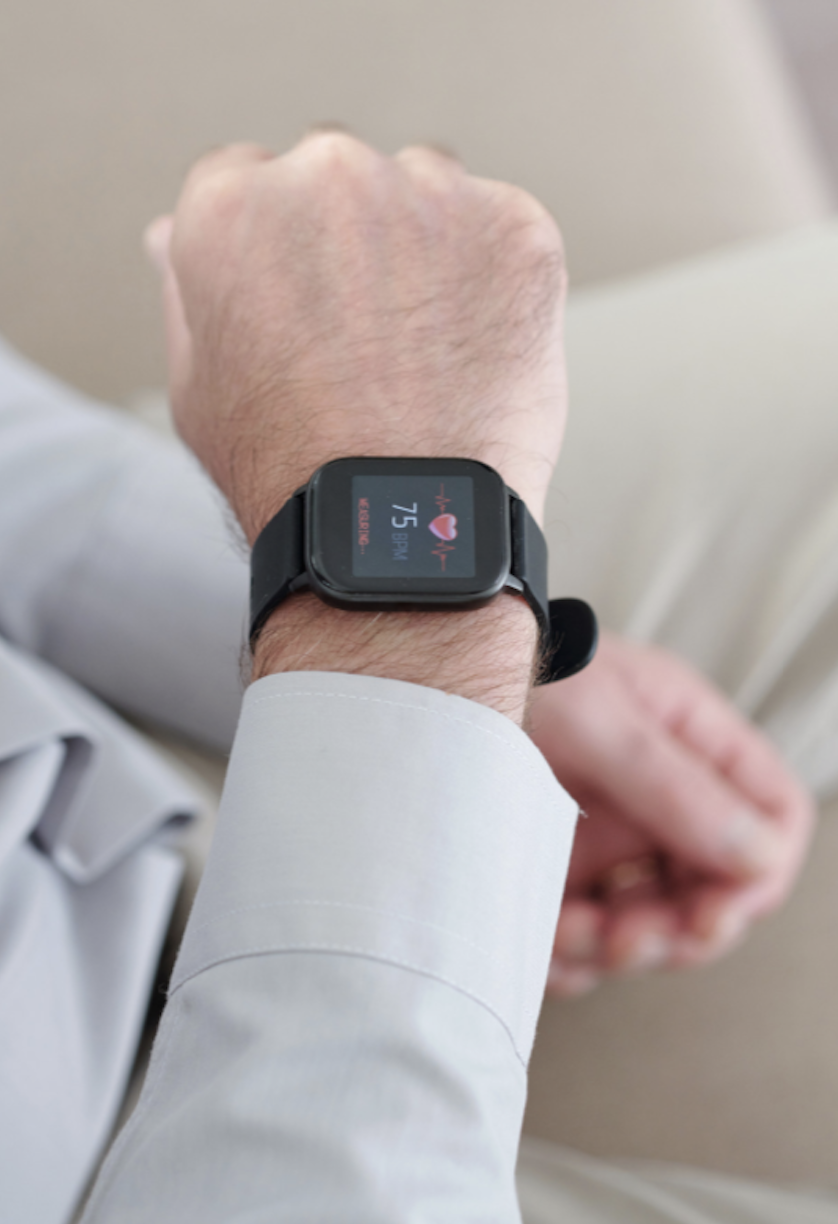
Wearable devices measure metrics like heart rate variability (HRV), sleep stages, and resting heart rate. HRV is a key indicator of recovery. A drop of 10 to 15 percent often happens before you feel mentally fatigued. With this early signal, you can make adjustments before performance suffers.
Guided Breathing
Breathing apps provide structured sessions that help shift your body from a state of stress to one of relaxation and recovery. These exercises take just several minutes and require no equipment beyond your phone.
A randomized study tracked participants who practiced diaphragmatic breathing for eight weeks. Results showed better attention scores, improved mood ratings, and lower cortisol levels. The findings suggest that consistent breathing practice supports both mental performance and stress reduction.

The Apple Heart and Movement Study
The Apple Heart and Movement Study, a long-term research project run with the Brigham and Women’s Hospital and the American Heart Association, collects activity, heart rate, and mobility data from participants using an Apple Watch. It links these metrics to cardiovascular health outcomes, examining how everyday movement patterns, resting heart rate, and HRV connect to heart health and recovery capacity.
Preliminary findings indicate that consistent daily movement and regular breathing exercises, as recorded by Apple Watch users, are associated with higher HRV and improved sleep quality. This data supports the use of short, structured recovery activities, such as guided breathing, to maintain cardiovascular resilience and prevent stress from accumulating.
Optimizing Sleep with Smart Tools
- Smart alarms: Wake you at the lightest point during your sleep cycle to reduce morning groginess and increase alertness
- Smart lighting systems: Can adjust color temperature from cool to warm tones before bed, promoting the release of melatonin to improve the quality and duration of your sleep

How to Apply Technology-Based Recovery
Start with one recovery tool, learn how to interpret its data, and build recovery habits around it.
Key Steps:
- Set clear, measurable goals: Aim for seven to eight hours of sleep, maintain an HRV above your average baseline, or participate in a daily five-minute breathing session.
- Review data weekly: Check sleep trends, HRV shifts, and breathing session consistency. Adjust your plan as needed.
- Use alerts: Let your wearable device notify you when it detects a drop in HRV. Use those alerts to prompt immediate recovery actions such as breathing sessions or short breaks from work.
- Combine tools: Once you’ve learned the ins-and-outs of one recovery tool, add another to your routine. Use breathing techniques when your wearable device signals fatigue, step outside when your body needs a break, or sync sleep data with a lighting device to create a recovery cycle.
Sample Weekly Recovery Plan
- Monday: HRV drops at 3 p.m.
- You engage in a five-minute breathing session to restore balance and recenter your focus.
- Tuesday: Lights dim at 10 p.m.
- You avoid screens and get eight hours of sleep.
- You wake up feeling refreshed.
- Wednesday: Stable HRV
- No breathing session is needed
- Thursday: HRV dips
- You breathe at 2 p.m.
- You still feel tense, so you walk outside for 10 minutes to release lingering stress.
- Friday: Weekly review
- Recovery improves with frequent breaks.
- You begin scheduling them in advance.
Structured Recovery with CoachMePlus
CoachMePlus provides users with daily wellness questionnaires that collect data on sleep, soreness, stress, fatigue, and mood. The platform flags outliers with color-coded alerts, helping coaches and staff take action before athletes overtrain or burn out. Trends over time highlight when recovery plans are working and when adjustments are needed. Whether you are managing a team or tracking your own metrics, the system makes it easier to turn data into timely recovery decisions.
By tracking your body’s signals and acting before fatigue sets in, you reduce the risk of burnout and maintain optimal performance. Technology provides data, but recovery depends on consistent action.
Recent Comments