
Key Take Aways
CoachMePlus makes the case that nutrition, sleep, and stress tracking is now a genuine performance advantage:
- All three factors compound, meal timing and hydration affect energy and recovery, sleep duration/quality drives repair and immune health, and stress management (mindfulness, active recovery, daily mood self-reports) prevents mental fatigue from undercutting physical training, and neglecting any of them stalls progress or raises injury/burnout risk.
- Wellness tracking catches warning signs (declining sleep, appetite, mood) before they become injuries, connects lifestyle data to performance dips (poor sleep showing up in slower sprint times), and CoachMePlus centralizes and visualizes that data so coaches can make evidence-based training and rest decisions instead of relying on gut feeling.
The Overlooked Trio: Nutrition, Sleep, and Stress
Every athlete knows the importance of hard work, but few realize how much recovery and daily habits influence that work’s effectiveness.
When these three factors are balanced, performance thrives. When they are neglected, progress stalls — and risk of injury or burnout rises.
1. Nutrition
Food is fuel, but more importantly, it’s information for the body. Consistent, balanced meals improve energy levels, speed recovery, and support immune health.
Key things to monitor:
-
Meal frequency and timing: Skipping meals or inconsistent timing can disrupt energy and recovery.
-
Macronutrient balance: Tracking protein, carbs, and fats helps match nutrition to training goals.
-
Hydration: Even small drops in hydration can impact focus, endurance, and reaction time.
2. Sleep
Sleep is where the body repairs and the mind resets. Athletes who prioritize quality sleep have better focus, quicker recovery, and stronger immune systems.
Critical metrics include:
-
Sleep duration: Most athletes need 8–10 hours per night for optimal performance.
-
Sleep quality: Deep sleep stages are where growth hormone and muscle repair occur.
-
Consistency: Regular sleep and wake times improve overall recovery efficiency.
3. Stress ManagementMental fatigue can hit performance just as hard as physical fatigue. Training load, academic or work pressures, and competition anxiety all influence recovery.
Effective strategies include:
-
Mindfulness or breathing exercises to reduce cortisol levels.
-
Active recovery days to balance stress from training.
-
Monitoring mood and readiness to train using daily self-reports.
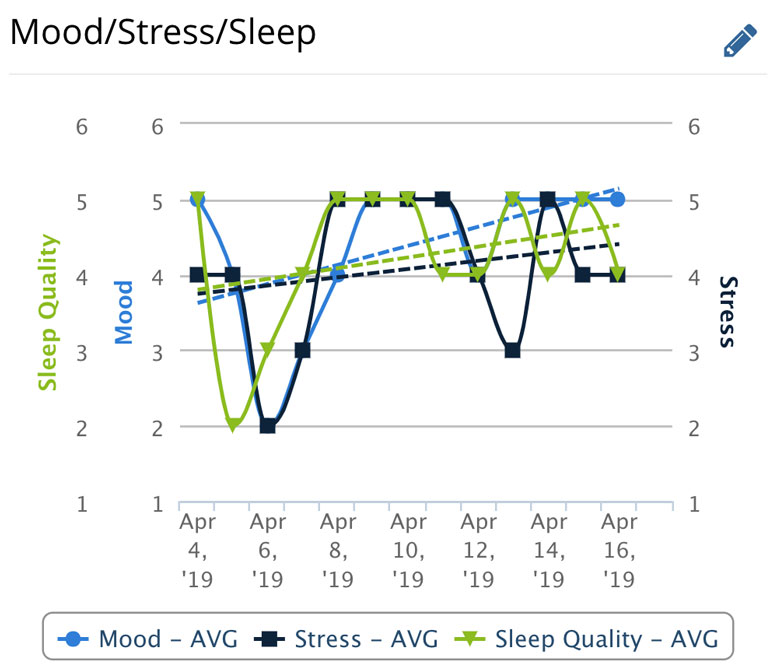
Why Wellness Tracking Matters
You can’t improve what you don’t measure. That’s where wellness tracking tools give coaches and athletes a real advantage.
By tracking wellness data regularly, coaches can identify trends and catch warning signs before they turn into problems.
Benefits of wellness monitoring include:
-
Early detection of fatigue or overtraining: Declines in sleep quality, appetite, or mood often appear before injury or burnout.
-
Personalized training adjustments: Data helps tailor load and recovery to each athlete’s needs.
-
Better communication between athlete and staff: Transparent tracking fosters trust and accountability.
-
Objective decision-making: Instead of relying on “gut feeling,” staff can make evidence-based calls on training intensity and rest.
Connecting the Dots Between Data and Performance
Wellness data doesn’t just sit in a spreadsheet — it tells a story. When paired with performance metrics, teams can connect how lifestyle habits directly impact outcomes.
For example:
-
An athlete’s sprint times may dip after several nights of poor sleep.
-
Increased stress levels can correlate with slower reaction times or missed lifts.
-
Improved hydration and meal timing can lead to faster recovery between sessions.
When coaches and athletes see these connections clearly, motivation skyrockets. Athletes start to understand how their daily decisions affect performance, making them more invested in their own progress.
Building a Wellness Culture
Successful teams go beyond tracking — they build a culture of wellness. That means:
-
Starting every day with a simple self-check: “How am I feeling physically and mentally today?”
-
Encouraging open dialogue about fatigue, stress, or nutrition struggles.
-
Rewarding consistency, not perfection — small improvements add up over time.
When athletes see that their wellness is valued as much as their physical output, commitment grows. A well-recovered, well-nourished, and mentally balanced athlete is far more reliable across a full season.

Turning Wellness Data Into Action
Tracking data is only useful if it leads to meaningful change. That’s why systems that make data clear, visual, and easy to interpret are vital for coaches and athletes alike.
With platforms like CoachMePlus, teams can:
-
Centralize wellness data for nutrition, sleep, and stress metrics
-
Visualize trends over time to spot potential issues early
-
Integrate workload and wellness data to balance training intensity
-
Empower athletes to take ownership of their health and recovery
In an era where marginal gains define success, wellness tracking has become the new competitive edge. By combining performance science with simple daily habits, athletes can sustain higher performance levels while avoiding the pitfalls of fatigue and burnout.
Recent Comments