
Key Take Aways
CoachMePlus lays out how to adjust training safely across seasonal weather extremes:
- Heat raises heart rate and core temperature and accelerates fatigue, while cold tightens muscles and increases injury risk, so tracking these variables matters even when pace or distance stays the same.
- For heat: hydrate early, train in cooler hours, dress light, and shorten sessions if needed, cooling down with ice baths or cold towels. For cold: warm up longer, dress in layers, protect extremities, breathe through the nose, and stay on top of hydration and nutrition even without feeling thirsty.
Every athlete knows consistency is key, but Mother Nature doesn’t always make that easy. Whether it’s blazing summer heat, biting winter wind, or unexpected rain, changing weather conditions can make training unpredictable. Learning how to adapt to these changes safely and effectively can help you stay consistent, protect your body, and perform your best year-round.
Training smart through the seasons isn’t just about grit, it’s also about strategy. Athletes who learn to read the weather, adjust workloads, and prepare their bodies accordingly gain a performance edge over those who train the same way all year.
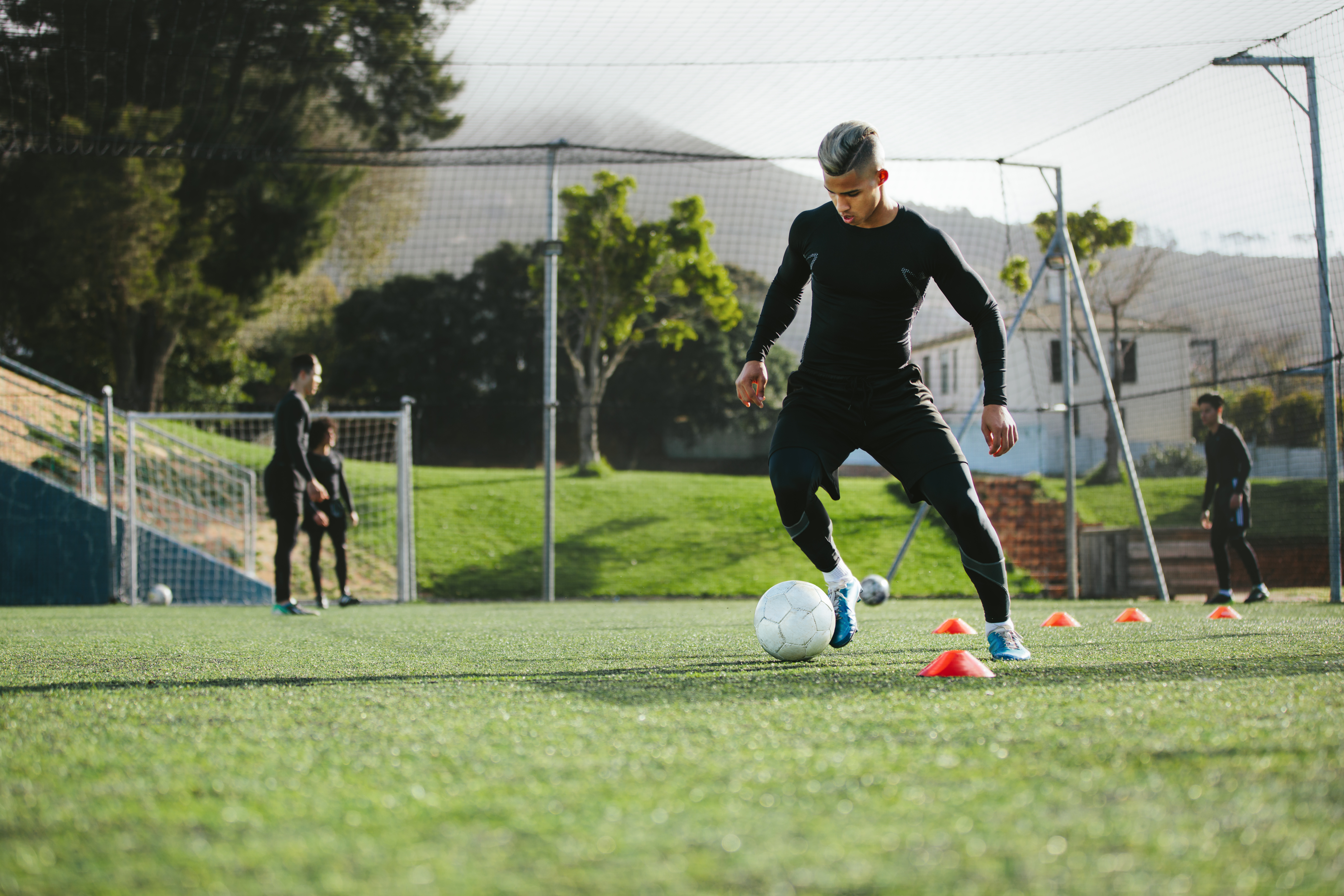
The Impact of Weather on Performance
Temperature, humidity, and even sunlight can have a direct effect on how your body performs. Knowing what’s happening physiologically helps you make smarter training decisions.
How weather affects training:
-
Heat: Increases heart rate, raises core temperature, and accelerates fatigue.
-
Cold: Tightens muscles, reduces flexibility, and increases injury risk.
-
Humidity: Makes it harder to cool the body, leading to overheating.
-
Wind and rain: Affect balance, traction, and overall intensity control.
When weather shifts, your body’s workload changes, even if your pace or distance stays the same. Tracking and adjusting to these variables keeps training safe and effective.
Training in Hot Weather
Hot conditions challenge your endurance, hydration, and recovery. Training in the heat can build resilience — but only if managed properly.
Tips for training in the heat:
-
Hydrate early and often: Start the day with fluids and keep electrolyte levels steady.
-
Train in cooler hours: Early morning or evening workouts help limit heat stress.
-
Dress light: Use moisture-wicking fabrics and light colors to reflect heat.
-
Shorten sessions if needed: It’s better to reduce volume than risk heat exhaustion.
-
Listen to your body: Dizziness, cramps, or nausea are early signs to stop.
Smart recovery: Cool down gradually and use ice baths or cold towels to reduce body temperature post-training.
Training in Cold Weather
Cold weather brings its own challenges — stiffness, slower warm-ups, and higher risk of strain or respiratory irritation. But with the right prep, winter training can boost your aerobic base and mental toughness.
Tips for training in the cold:
-
Warm up longer: Spend extra time activating muscles and raising body temperature.
-
Dress in layers: Use moisture-wicking base layers and windproof outerwear.
-
Protect extremities: Wear gloves, hats, and thermal socks to prevent heat loss.
-
Breathe through your nose: Helps warm and humidify cold air before it hits your lungs.
-
Cool down indoors: Avoid standing in cold air after sweating — it can chill you fast.
Smart recovery: Focus on nutrition and hydration even if you don’t feel thirsty. Cold air can dehydrate you without you realizing it.

Key Take Aways
CoachMePlus partners with Ben Jacobs and FrontLine Human Performance to advance first responder readiness:
- Extends the same secure platform behind the Warrior Performance Platform (WP2), used in military readiness initiatives, to fire, police, and EMS agencies.
- Combines CoachMePlus’s software infrastructure with Ben Jacobs’s 15+ years of strength, conditioning, and tactical performance expertise.
Recent Comments